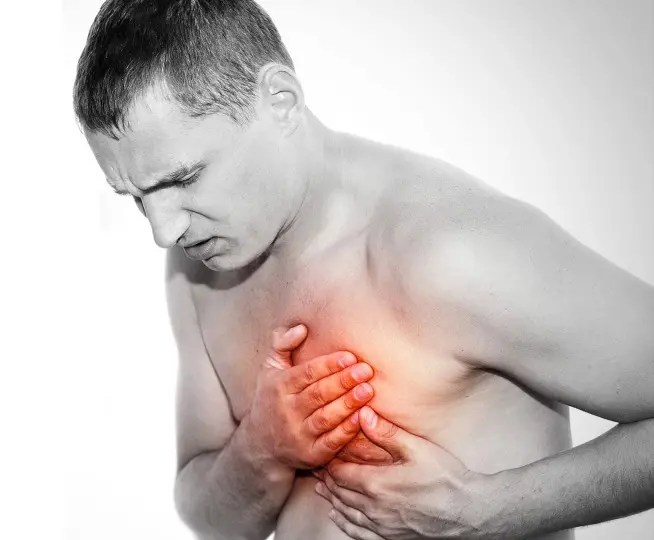
Laparoscopic anti-reflux procedures are surgeries for heartburns. Moderate to severe heartburn may prompt your doctor to advise a laparoscopic anti0reflux surgery to treat your gastroesophageal reflux disease or GERD, the technical name for heartburn.
What is GERD?
The term ‘heartburn’ is generally used to describe a variety of digestive issues. However, all of them are symptoms of Gastroesophageal Reflux Disease. In GERD, stomach acids back up or reflux into the esophagus causing heartburn. The primary symptom is a burning sensation between the ribs or just below the neck. The sensation may radiate into the throat and neck through the chest. Other symptoms can include vomiting, difficulty in swallowing and persistent coughing and wheezing.
The Cause of GERD
The lower esophageal sphincter muscle is naturally weak in some people. Others make it weak by excessive intake of spicy and fatty foods, certain medications, smoking, alcohol consumption, tight clothes, and vigorous exercising. Sometimes, changed body positions like lying down or bending over may also cause the LES to relax and cause the reflux. Many patients suffering from GERD develop what is termed a hiatal hernia. This hernia develops when the top part of the stomach juts upwards into the chest cavity through the diaphragm. This condition is thought to contribute to the acid reflux. If GERD requires surgery, it also repairs the hiatal hernia.
Contributors to GERD
The lower esophageal sphincter muscle is naturally weak in some people. Others make it weak by excessive intake of spicy and fatty foods, certain medications, smoking, alcohol consumption, tight clothes, and vigorous exercising. Sometimes, changed body positions like lying down or bending over may also cause the LES to relax and cause the reflux. Many patients suffering from GERD develop what is termed a hiatal hernia. This hernia develops when the top part of the stomach juts upwards into the chest cavity through the diaphragm. This condition is thought to contribute to the acid reflux. If GERD requires surgery, it also repairs the hiatal hernia
Treatment Options for GERD
Gastroesophageal reflux disease can be treated in three steps:
Lifestyle Changes: Changes in dietary habits can reduce the frequency and severity of heartburn. Changes in lifestyle may also include losing weight, quitting smoking, reduce alcohol consumption and alteration in eating and sleeping patterns.
Medication
If heartburn persists despite the lifestyle changes, drug therapy will be required. Antacids can neutralize stomach acids, while other medications, available over the counter, reduce the production of stomach acids. A doctor can also prescribe certain medicines to alleviate symptoms by healing the esophagus.
Surgery
Patients who fail to respond to lifestyle changes and medication or those who do not wish to be continuous medication may consider surgery, which is effective in permanently treating GERD. The most common surgical procedure is a fundoplication or Nissen fundoplication, after the surgeon who introduced the procedure in the late 1950s. In a fundoplication, first the hiatal hernia is repaired, if present. Then, the top part of the stomach is wrapped around the base of the esophagus to strengthen the lower esophageal sphincter (LES). This reinforces the one-way valve function of the LES to prevent the acid reflux.
The operation can be an open surgery with a single, long incision on the upper abdomen. The alternative is a laparascopic surgery with several small incisions and inserting surgical instruments in the abdomen for the actual surgery telecast on a TV screen.
Laparoscopic Anti-Reflux Surgery
In a laparoscopic procedure, the actual operation is conducted within the body’s organs. In laparoscopic anti-reflux surgery, the surgeon makes small incisions on the abdomen, in which he inserts narrow, tube-like instruments called trocars. Sometimes, the abdomen may be enlarged with carbon dioxide for better maneuverability within the abdomen. The laparoscope, connected to a tiny camera, is also inserted in the abdomen. The surgeon conducts the operation by looking at the proceedings on a television screen.
Open Anti-Reflux Surgery
Certain cases may not be suitable for the laparoscopic method due to various reasons like the inability to handle to organs safely. Factors, which may indicate open surgery, may include obesity, previous abdominal surgery with present scar tissue or excessive bleeding. The choice between laparoscopic and open surgery is made by the surgeon. There are times when the surgeon begins a laparoscopic procedure and midway switches to open surgery if he feels that it is safer.
Advantages of Laparoscopic Anti-Reflux Surgery
reduced postoperative pain
shorter hospital stay
a faster return to work
improved cosmetic result
Is the Laparoscopic Method Suitable for You?
As we have seen above, despite its benefits, the laparoscopic procedure is not safe or practical for everyone. Your general physician or a gastroenterologist, in consultation with a surgeon trained in the laparoscopic method whether this procedure is suitable for you. You may have to undergo a complete physical evaluation to enable the specialists to make an informed decision.
Preparing for Laparoscopic Anti-Reflux Surgery
If the laparoscopic method has been found suitable for a patient, the surgeon will discuss the potential risks and benefits of the operation and obtain his or her signed consent. There will be several medical examinations prior to surgery like blood tests, chest x-rays and EKG depending on the patient’s age and medical condition.
The patient will be advised to take a shower on the night before or on the morning of the operation. The patient will not be allowed any food or drink after midnight of the night before the operation except medications with a sip of water in the morning before surgery. Drugs such as anti-inflammatory medications, blood thinners, aspirin, Vitamin E, etc. will not be allowed for up to a week prior to surgery.
The Day of the Surgery
Patients usually arrive at the hospital on the day of the surgery, though some may arrive on the eve of surgery. Pre-operative medicine will be administered via a small needle or catheter by a qualified support staff member. The operation will be performed under general anesthesia and can last for several hours. Following the operation, patients are usually taken to their wards and monitored until they wake up.
After Open or Laparoscopic Anti-Reflux Surgery
At home during convalescence, patients should not undertake any strenuous activity and avoid lifting heavy weights. Post-operative pain is normally mild but some patients might require pain medications, which will be prescribed by the surgeon.
In most cases, patients need to alter their diet. Surgeons usually prescribe a liquid immediately after the operation and gradually progressing to solid foods. Patients usually resume their normal activities within a short span of time. A follow-up examination will be necessary two weeks after the operation.
Side Effects of the Surgery and Complications
There are generally no long-term side effects of GERD surgery. Some people experience difficulty in swallowing immediately after surgery, but it usually subsides within one to three months. Patients may also be restricted in belching or vomiting, while some patients have reported bloating of the stomach. These complain are usually temporary and are naturally resolved within months.
As with most other surgical procedures, there can be a complication with GERD surgery as well. Some patients may experience the following complications, while there can be other, less common complications as well:
Your surgeon will discuss all of this with you prior to surgery. These factors also help patients decide whether the risks outweigh open or laparoscopic surgery vis-à-vis non-surgical treatment.
Adverse reaction to general anesthesia
Bleeding
Injury to the esophagus, spleen, liver, stomach or other internal organs
Infection of the wound, abdomen, or blood
Sometimes, patients may need a procedure for stretching the esophagus called endoscopic dilation. In rare cases, the patient may need a second procedure or report no improvement in their GERD symptoms. Even after a complete cure, reflex symptoms may reappear in the long run.
To Know More: www.drmanastripathy.com
Find Related Treatment Here:
 Dr Manas Ranjan Tripathy