Laparoscopic Cholecystectomy Treatment in Bangalore

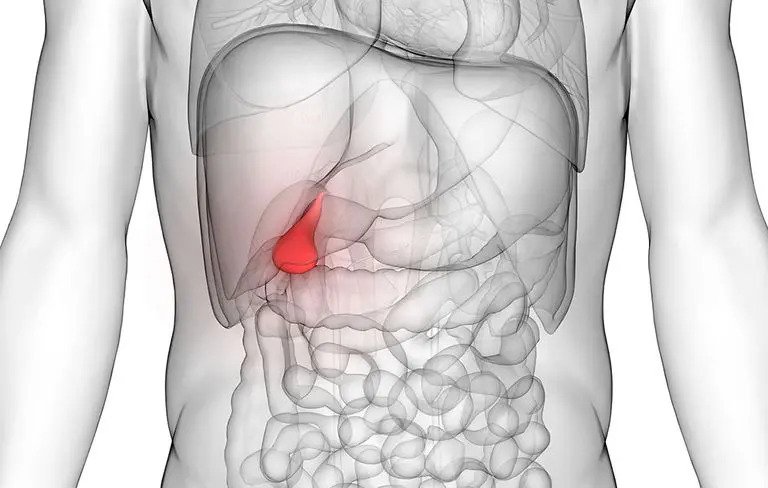
Gallstones are small stones that develop in the gall bladder. The condition is quite common and is also genetic in many cases. The chances of developing gall bladders increase with age. People who eat a fat-rich diet are particularly susceptible to it. The ailment can cause severe symptoms; the most common is returning attacks of shooting abdominal pain.

[Orgirinally Published: http://drmanastripathy.com/laparoscopic-cholecystectomy/]

Treatment:

Gallstones can be dissolved or disintegrated into tiny pieces but these treatments involve the use of drugs with possible side effects. Besides, there is a high rate of failure. In many cases, the gallstones form again. Antibiotics can heal infections of the gall bladder due to the stones. A low-fat diet can also help in preventing pain. However, the alleviation of symptoms is temporary.

Surgery:

Laparoscopic surgery for gallstones or cholecystectomy is a procedure, in which the gall bladder (and gallstones) is removed. After making incisions in the abdomen, the surgeon will inflate the abdomen with carbon dioxide, in order to see the interior more clearly. The surgeon then inserts a telescope, which is attached to a video camera. This will guide him (through a video monitor) while inserting more surgical instruments in the other incisions in order to remove the gall bladder. Before removing the bladder, the surgeon may take a special x-ray (intraoperative cholangiography) to see the locations of the bile ducts inside the liver.

After surgery, the bile will flow from the liver into the small intestine through the common bile duct. Since the gallbladder has been removed, the body will no longer be able to store bile between meals. This has little or absolutely no effect on the process of digestion in the majority of people.

Laparoscopic cholecystectomy is performed under general anesthesia and lasts for 45 minutes to an hour.

Complications:

There may be some complications as with most surgeries. In a few laparoscopic cholecystectomies, the surgeon may switch to open surgery, if a larger incision is required. These can cause additional complications like scars, inflammation, and bleeding. More serious complications may include:

  • Development of a hernia at the surgery site
  • Injuries to nearby abdominal structures
  • Surgical emphysema
  • Leaking of bile or leftover stones
  • Chronic pain
  • Diarrhea
  • Bowel injury
  • Damage to the liver
  • Recovery

Patients are generally discharged the following day. Convalescence may take between two to four weeks depending on the extent of surgery and your type of occupation. Check with the surgeon before the operation about how much you can exercise. For the first few days, increasing how much you walk is recommended. You can expect a full recovery and be able to eat normally during 
Open Surgery or Laser treatment for piles?

Today we are going to discuss the common management for Hemorrhoids with special reference to “Conventional Open Surgery vs Advanced Laser Treatment for piles or Hemorrhoids”.

Hemorrhoids are commonly known as piles are swollen blood vessels in the lower rectum as well as the anal canal which are abnormally engorged. During defecation slip out of place causing bleeding and rupture. A person’s daily lifestyle is affected as piles cause discomfort and itching.

Piles is a common condition, but most of them feel reluctant to talk about it to their doctors and are too embarrassed to see their doctor about it until the pain or discomfort becomes unbearable or when there is bleeding, causing worry that it may be something more serious.

Constipation, unbearable pain in the anus during a bowel movement, red-colored discharge or bleeding along with stools, discharge of mucus fluid, and a feeling of fleshy tissue coming out of the anal canal are the common symptoms of piles. Sometimes few patients present with large lumps/masses around the anal canal which do not go in.

Laser Treatment for Piles

Many reasons can cause Piles, some of them are weak rectal veins and walls due to aging, diarrhea, chronic straining during motion which I feel the most common reason; and sitting for a prolonged time in the toilet, unhealthy food habits, and obesity can cause piles.

Arterial blood hyper flow causes swelling in the swellings in hemorrhoids, hyperplasia and venous congestion consequently.

Hemorrhoids (Piles) – Treatments

More than 50/60% of the patient especially in India present after having severe symptoms.

The treatment of piles depends on the severity and the type of symptoms affecting the patient. Simple preventive measures include having a balanced fiber-rich diet and adequate water intake to allow regular bowel movement without straining. If this doesn’t help, other treatments available include:

  • Oral medications or topical suppositories. Small bleeding piles can be treated with this process.
  • Ligation. This rubber band treatment works effectively on small internal hemorrhoids which occasionally bleed. The blood supply is cut-off with the help of a small rubber-band. As the band and hemorrhoids fall apart in a few days the wound takes one or two weeks to heal. This procedure sometimes produces mild discomfort and bleeding.
  • Injection sclerotherapy. In this procedure, one chemical injection, called sclerosant, is injected by the doctor into hemorrhoidal tissue, causing it to sclerise or dry and eventually fall off. This is a painless treatment when compared to the others but helpful only for small hemorrhoids.
  • Piles that are not prolapsed can be ligated or injected. These are done in the outpatient clinic and do not require hospitalization. But these procedures may not be beneficial for larger hemorrhoids and usually need more than one setting.

Conventional treatments or Open Surgical Procedures:

Surgical excision of hemorrhoids at all positions after ligating the base of the hemorrhoids with stitches is conventionally done as an open technique. Major drawbacks of this procedure are increased pain after a procedure, delayed recovery, and increased chances of anal stenosis especially if larger hemorrhoids are treated.

Stapler Hemorrhoidectomy:

A relatively novel technique, introduced over the last decade wherein circumferential hemorrhoidopexy is done using hemorrhoidal staplers. This procedure is comparatively less painful than the conventional technique.

Laser Treatment for Piles:

Method: This Laser Treatment doesn’t need anesthesia, terminal arterioles of the upper rectal artery are identified by a Doppler transducer (20 MHz probe 3 mm) placed on a specially designed proctoscope. After identification, it promotes arteriolar electrofulguration at 980 nm fiber laser diode, causing interruption of hemorrhoidal flow. This procedure is repeated circumferentially, following the clockwise positions.

It is the least painful, daycare procedure, no wounds or follow up dressing is required.

Also read.

Hernia (Podcast): Early Signs and Symptoms, Treatments

Hernias are a quite common disease that we encounter, which is very painful and generally happens to adults.

A hernia is an abnormal protrusion of an organ through the muscular walls that supposed contain the organ.

In this podcast, Dr Manas Ranjan Tripathy is going share some basic information we all should be aware of about Hernias. He is going brief us about what hernia means, how to recognize the early signs and symptoms of a Hernia, and he is gonna also discuss Hernia Surgery and other treatments available about hernias.

This is a very important issue, so do listen to it till the end.

Hernia Surgery in HSR Layout, Koramangala, Bangalore

(Originally Published on Dr. Manas Tripathy website)

A hernia occurs when the internal organs of the abdominal cavity bulge around the muscular wall that usually keeps them in place. Some of the main causes of hernia include consuming tobacco or smoking, poor nutrition, chronic constipation, etc. A hernia can occur in the abdomen, upper thigh area, belly button, or groins.

Henia – Symptoms

Symptoms of Hernia can include:

  • a bulge in the affected area or a lump
  • Pain in the chest
  • feeling pressure in the abdomen
  • Feeling difficulty in swallowing

Types of Hernia

A hernia is broadly classified into two categories:

Ventral Hernia:

This usually occurs along the vertical center of the abdominal wall. A ventral hernia can further be subcategorized into three types

Hiatus – Occurs near the diaphragm that separates the abdomen from the chest

Umbilical – Develop in the area of the belly button

Incisional – Occurs around the site of a previous surgery

Inguinal Hernia:

This occurs around the groins and top of the legs. An Inguinal hernia can be of two types

Unilateral – Occurs on one side of the groin

Bilateral – Develops on both sides of the genital parts

Hernia Treatment in Bangalore

The objective of the hernia repair surgery is to relieve the pain, strengthen the weak muscle area, or return the abdominal organs back to its place.

Surgery  can be performed in two ways:

Traditional “Open” Surgery – It is usually carried out under local or general anesthesia. In this type of surgery, a large incision is made and the surgeon pushes back the organ in the abdomen. It is used to close the hernia using mesh, sutures, or both. After the surgery the wound is closed with staples or surgical glue.

Laparoscopic Procedure – This is a highly recommended surgical procedure by surgeons. In this process, a small incision is made and aa thin, telescope-like instrument is inserted.The surgery is done under general anesthesia

Post Hernia Surgery Care

  • Eat natural foods and add lots of High-fiber
  • Increase your intake of waters
  • Avoid spicy or junk food
  • Spicy and junk food

We Cure Hernia Permanently!

  • Laparoscopic Procedure
  • 3D Dual Sided Mesh &Tackers
  • No-Risk of Recurrence
  • No Pain | No Stitches | No Scars

Our  Advanced Care

  • It is a Minimally Invasive Procedure
  • It requires a 24 hr Hospitalization
  • Estimated Recovery in 3-4 Days
  • Experience of 100+ Surgeries  

Laser Proctology – A Minimal Invasive Surgery for Colon Related Diseases

[Check Out The Podcast on Laser Proctlogy in Our Website]

Laser proctology is the surgical treatment of diseases of the colon, rectum, and anus using a laser. Common conditions treated with laser proctology include hemorrhoids, fissures, fistula, pilonidal sinus, and polyps.

Laser Proctology is a quite latest and Advanced treatment, which is increasingly being used to treat piles in both women and men.

Most of the proctological conditions where surgery is needed, Laser Proctology is highly recommended for many cases. Which is for obvious reasons – Laser Proctlogy is Minimally Invasive. Which is much safer; it leaves no scars, is bloodless and less painful.

To learn more about how Laser Proctology is useful, listen to the podcast. 👇

Do I Need a Surgery for Hernia? Hernia Treatment in HSR Layout-Bangalore

Do I Need a Surgery for Hernia? Hernia Treatment in HSR Layout-Bangalore

[Originally Published on DrManasTripathy Blog]

When fatty tissue or an organ pushes through a weak place in the surrounding connective tissue or muscle wall, it may lead to Hernia. Usually, a hernia does not get better on its own. They may become bigger and in some cases, it can lead to life-threatening cases. That’s the reason for Hernia treatment Surgery is often recommended.

Do I Need Surgery for Hernia - Hernia Treatment in HSR Layout, Bangalore

Not each and every hernia need surgical intervention but it depends on the size and clinical symptoms.

So let’s discuss the important question, Do I Need Hernia Surgery?

You are an ideal candidate for hernia surgical treatment if any of these things happen:

  • Incarceration is a condition when tissue (such as the intestine) becomes trapped in the abdominal wall. If it is not treated it may lead to strangulation and then the blood supply to the tissue gets cut off
  • If the hernia becomes strangulated. This can cause permanent damage and is a surgical emergency.
  • If the hernia is growing larger and is causing pain and discomfort

You may be able to wait to have surgery if:

  • When you lie down hernia goes away or you can push it back into your belly
  • If a hernia is small and there are few or no symptoms,

It is recommended to keep a watch and monitor your hernia during your yearly physical.

Types of Hernia Surgery

Hernia surgery can be performed in one of two ways. Both are operated by an experienced surgeon and the patient can get discharged within a few days. With the latest advancements in technology, in many cases, the patient is discharged on the same day.

Open surgery: 

This is operated under general anesthesia. Usuallysurgeon makes a cut (incision) to open the skin. The surgeon will gently push back the hernia into the place and then tie it off or remove it, and then he’ll close the weak area of the muscle — where the hernia pushed through – with stitches.

Laparoscopic surgery

This is a more advanced method where the abdomen of the patient is usually inflated with a harmless gas. This helps the surgeon to have a better look at the organ. A small incision is made near the hernia and a thin tube with a camera on the end (laparoscope) is inserted. With the help of the laparoscope can see the image and it uses as a guide to repairing the hernia with mesh.

The biggest advantage of laparoscopic surgery is the recovery time. It is very fast compared to open surgery. A patient can get discharged on the same day and are back to their normal routine a week sooner than with open surgery.

Do I Need Surgery for Hernia - Hernia Treatment in HSR Layout, Bangalore

Depending on the size, type, and location of the hernia, the doctor will recommend the types of surgery required. There are some other factors like lifestyle, health, and age-based on which the doctor will decide the type of surgery.


Also check:

https://drmanastripathy.tumblr.com/

Laparoscopic Inguinal Hernia Repair

The abdominal muscles can develop weak spots, through which adjoining tissue can protrude resulting in a bulge, which is called hernia. An inguinal hernia occurs at the inguinal canal, a narrow passage in the abdominal wall, through which blood is fed to the testicles. A hernia can be painful, especially while bending over, coughing or heavy lifting. If left untreated, it could lead to serious complications. The bulge can put pressure on nearby structures like the intestines and cause their blood supply to be cut off. This condition is called strangulated hernia.

Original Post

Treatment

The most common and popular treatment for a hernia is surgery. An operation is the quickest way to repair a hernia, particularly if the bulge is growing bigger. Timely surgery also preempts any serious complications that can accompany inguinal hernia. Sometimes, the hernia can be controlled with a padded belt called a truss. However, a hernia will not go away without surgery.

The surgery is performed under general anesthesia. The surgeon makes small incisions on the abdomen. A set of surgical instruments, along with a tiny telescope will be inserted into the abdomen where the hernia has occurred. The interior preperitoneal area, where the hernia occurs is shown on a laparoscope, which guides the surgeon. The procedure entails the smoothening of the abdominal wall where the bulge occurs. Then a synthetic mesh is used to cover and strengthen the weak spot in the abdomen. The operation generally takes about one hour. If the hernia is on both sides of the abdomen, the operation can last to under an hour.

Complications

Surgical intervention to treat inguinal hernia can lead to minor complications like pain, bleeding, infection at the surgical site, scarring, and formation of blood clots. Sometimes the side effects can be more severe like:

  • Damage to internal organs
  • Development of a hernia near one of the cuts
  • Injury to the bowel
  • Surgical emphysema
  • Development of a lump at the site of the original hernia
  • Discomfort or pain in the groin
  • Discomfort or pain in the testicle on the side of the operation, in men
  • Difficulty passing urine in men
  • Interference with blood supply to the testicle in men

Recovery

Patients are allowed to go home the same day or the next. Convalescence may take a week before the patient can resume normal activities. You cannot lift heavy weights for two to four weeks after the operation.

Regular exercise can help you return to pre-surgery activities with ease. But you should consult the surgeon or your general practitioner for advice. Inguinal hernia occasionally returns.

Also Read:

Laser ProctologyHerniaHaemorrhoidectomy

Follow on Blogger

https://sites.google.com/view/proctology-hsr-layout/

https://sites.google.com/view/proctology-koramangala/

https://www.quora.com/profile/Dr-Manas-Ranjan-Tripathy

What is Haemorrhoidectomy or Piles

A haemorrhoidectomy is surgery to treat hemorrhoids or piles. Piles are soft, fleshy lumps that form inside just inside the anus. They easily bleed during bowel movements. Though they are not usually painful, they can cause itching. If the lumps grow, they can protrude outside through the anus in a condition called prolapsed pile. You can feel the lump while cleaning yourself. Hemorrhoids generally develop gradually, over a lengthy duration of time and are often related to constipation. Sometimes, the condition is genetic and made worse by pregnancy.

Treatment

Hemorrhoids can often be dealt with by eating more fiber and more intake of fluid. If these measures do not work, they may be treated with ‘banding’ or dissolving the lumps with injections. If these methods do not work, patients will need to undergo a haemorrhoidectomy to surgically remove the piles.

A haemorrhoidectomy is usually performed under general anesthesia and takes about twenty minutes. The surgeon will usually just cut away the hemorrhoids or use the staple gun technique, which does not create an open wound

Complications

A haemorrhoidectomy may cause the usual complications like pain, bleeding, infection of the surgical wound or blood clots. More serious complications may include the following:

  • Incomplete haemorrhoidectomy
  • Difficulty passing urine
  • Anal stenosis
  • Developing skin tags
  • Developing an anal fissure
  • Incontinence

Recovery

same day. The wound takes several weeks to heal completely. You should drink plenty of water during convalescence. Talk to your doctor about an exercise regime that can help you recover faster.

The hemorrhoids can occasionally redevelop.

Also check out:

https://drmanastripathy.tumblr.com/

https://drmanastripathy.blogspot.com/

https://www.linkedin.com/in/dr-manas-ranjan-tripathy-298456189/

Laser Surgery Vs Conventional Surgery – which one is better?

Proctologist in HSR Layout, Koramangala, Bangalore

Laser surgery is an outpatient or day-care procedure, which offers many advantages over conventional surgery. For e.g., the laser technique not only treats hemorrhoids more effectively, but it also reduces post-operative pain. It also improves symptoms after surgeries, which were not meant to completely cure the patient. Similar results have been seen in patients external thrombosis, severe anal spasms, fissure, fistula, varicose veins, and sentinel tags. Specific advantages of laser surgery are:

  •  Greater surgical precision
  •  No need for general anesthesia
  •  Faster surgeries
  • Discharge within a few hours
  • Back to routine in 3-5 days
  • No sutures and no scars
  •  Less sutures with no scars 
  •  Fast recoveries
  • Less loss of during surgery
  • Minimal postoperative pain
  •  Low risk of infection
  • Low risk of prolapse or rectal stenosis
  • Laser surgery patients look better.
  • Anal sphincter action is well preserved (no chances of incontinence).
  • Least rates of recurrence
  • Fewer visits to the doctor after surgery
  • Higher success rates

Visit Our Website: Proctologist in HSR Layout, Koramangala, Bangalore

Laser Proctlogy in HSR Layout, Koramanagala, Bangalore – eBook | InfoGraphics

Laser Proctology is the surgical treatment of diseases of the colon, rectum, and anus using a laser. Common conditions treated with laser proctology include hemorrhoids, fissures, fistula, pilonidal sinus, and polyps.

Here is a eBook Addressing all your queries  about Laser Proctology in Bangalore

Design a site like this with WordPress.com
Get started