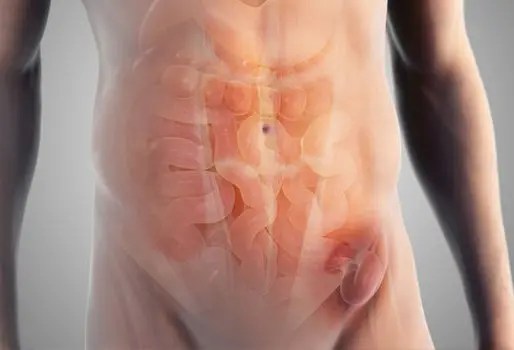
The abdominal muscles can develop weak spots, through which adjoining tissue can protrude resulting in a bulge, which is called a hernia. An inguinal hernia occurs at the inguinal canal, a narrow passage in the abdominal wall, through which blood is fed to the testicles. A hernia can be painful, especially while bending over, coughing or heavy lifting. If left untreated, it could lead to serious complications. The bulge can put pressure on nearby structures like the intestines and cause their blood supply to be cut off. This condition is called a strangulated hernia.
TREATMENT
The most common and popular treatment for a hernia is surgery. An operation is the quickest way to repair a hernia, particularly if the bulge is growing bigger. Timely surgery also preempts any serious complications that can accompany inguinal hernia. Sometimes, the hernia can be controlled with a padded belt called a truss. However, a hernia will not go away without surgery.
The surgery is performed under general anesthesia. The surgeon makes small incisions on the abdomen. A set of surgical instruments, along with a tiny telescope will be inserted into the abdomen where the hernia has occurred. The interior preperitoneal area, where the hernia occurs is shown on a laparoscope, which guides the surgeon. The procedure entails smoothening the abdominal wall where the bulge occurs. Then a synthetic mesh is used to cover and strengthen the weak spot in the abdomen.
The operation generally takes about thirty minutes. If the hernia is on both sides of the abdomen, the operation can last under an hour.
COMPLICATIONS
General side effects that may afflict the patient are the same as those after other hernia-fixing surgeries. More serious complications may include:
Development of a lump at the surgery site
Difficulty passing urine
Injuries to nearby abdominal structures
Temporary weakness in the leg
Discomfort or pain in the groin
Injuries to nerves
Interruption in blood supply to the testicles in men
RECOVERY
Patients are generally discharged the same day. Convalescence may take between two to four weeks depending on the extent of surgery, after which you can resume normal activities. Check with the surgeon before the operation about how much you can exercise. For the first few days, increasing how much you walk is recommended. Occasionally the hernia can recur.
Laparoscopic Surgeon in HSR Layout, Bangalore | Dr. Manas Tripathy.
According to the World Health Organization (WHO), most thyroid problems are due to low awareness. Since January is Thyroid Awareness Month, why not delve deeper into thyroid in this blog today? We will see what the thyroid is and what its function is. Also, cover its signs and screening. If you have any concerns or questions regarding thyroid, feel free to contact us.
What Is Thyroid and Its Function?
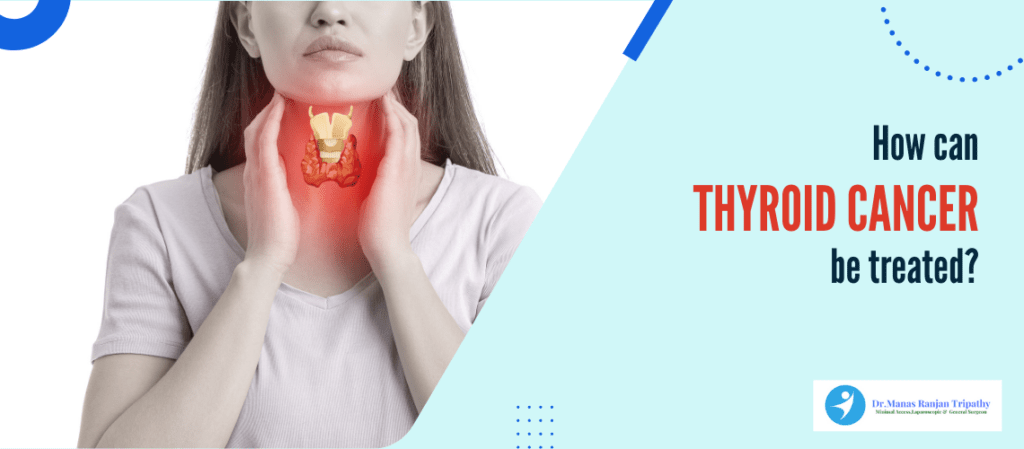
Simply put, the thyroid gland is a butterfly-shaped endocrine gland located in the lower part of the neck. If we talk about the thyroid function, its primary function is to make thyroid hormones. Thyroid hormones are secreted into the blood and then throughout our body. The thyroid is also considered the most important endocrine organ of the body, as it helps control our body’s metabolism, increasing our heart rate and affecting how fast things like food, bone loss, and sugar move through the body.
Few Early warning signs of thyroid disease
Although there is no specific sign or symptom of thyroid disease, there can still be some symptoms of overactive thyroid and underactive thyroid, which are given below.
Symptoms of overactive thyroid –
Anxiety or stress.
Nervousness.
Increased appetite.
Rapid loss of weight.
Muscle weakness.
Rapid heartbeat.
Excessive heat/ sweating.
Symptoms of underactive thyroid –
Rapid weight gain
Fatigue or lethargy
Depression.
Hair loss Constipation.
Cold intolerance.
How can thyroid cancer be diagnosed?
There are many ways to diagnose thyroid cancer, which involves several steps. Our doctors have expertise in its diagnosis and treatment. That’s why you can contact us.
The first step in diagnosing thyroid cancer is finding the lump or swelling. Next, the doctor examines your neck and throat and your medical history. Finally, the doctor may suggest one or more of the following tests to determine whether cancer has spread throughout the body.
Ultrasound.
Thyroid scan.
Biopsy.
CT, MRI, or PET scan.
Blood test to check hormone levels.
How can thyroid cancer be treated?
Thyroid cancer treatment largely depends on the type of cancer. Surgery may be required to treat all thyroid cancers except in a few rare cases. Below are some of the treatment options for thyroid cancer:-
Minimally invasive surgery
Minimally invasive surgery removes part or all of the thyroid gland. During surgery, if nearby lymph nodes are visible, they are also removed. This surgery is usually performed under general anesthesia and sometimes may require an overnight hospital stay. Our surgeons can make incisions as small as two centimeters using minimally invasive techniques.
Radioactive iodine therapy
Thyroid tissue can be destroyed using this therapy. Radioactive iodine is a drug given orally that only works to destroy thyroid tissue without affecting other parts of the body. This treatment is specifically designed to destroy only microscopic bits of thyroid cancer and thyroid tissue.
Thyroid hormone therapy
Thyroid hormone therapy helps block other hormones that promote cancer tumor growth. The thyroid hormone (levothyroxine) is mainly used for this. For your information, our therapists also use thyroid hormone replacement after a total thyroidectomy to replace the hormones your thyroid is making. These hormones regulate body processes that help you stay healthy.
External radiation therapy
Through this therapy, radiation rays are directed at the tumor from a source so that the tumor can be destroyed. This treatment is often used uncommonly to treat thyroid cancer.
How can thyroid cancer be prevented?
Early detection and treatment of thyroid cancer can ensure the best outcome. Have regular screening physical exams. Patients between the ages of 20 and 39 should get their thyroid checked every three years, and those over 40 should get their thyroid checked yearly. If you have a family history of thyroid cancer, get yourself screened regularly.
Feel free to contact us for the best diagnosis and treatment. Our specialists suggest you for your betterment.
The abdominal muscles can develop weak spots, through which adjoining tissue can protrude resulting in a bulge, which is called hernia. An inguinal hernia occurs at the inguinal canal, a narrow passage in the abdominal wall, through which blood is fed to the testicles. A hernia can be painful, especially while bending over, coughing or heavy lifting. If left untreated, it could lead to serious complications. The bulge can put pressure on nearby structures like the intestines and cause their blood supply to be cut off. This condition is called strangulated hernia
Treatment
The most common and popular treatment for a hernia is surgery. An operation is the quickest way to repair a hernia, particularly if the bulge is growing bigger. Timely surgery also preempts any serious complications that can accompany inguinal hernia. Sometimes, the hernia can be controlled with a padded belt called a truss. However, a hernia will not go away without surgery.
The surgery is performed under general anesthesia. The surgeon makes small incisions on the abdomen. A set of surgical instruments, along with a tiny telescope will be inserted into the abdomen where the hernia has occurred. The interior preperitoneal area, where the hernia occurs is shown on a laparoscope, which guides the surgeon. The procedure entails the smoothening of the abdominal wall where the bulge occurs. Then a synthetic mesh is used to cover and strengthen the weak spot in the abdomen. The operation generally takes about one hour. If the hernia is on both sides of the abdomen, the operation can last to under an hour.
Complications
Surgical intervention to treat inguinal hernia can lead to minor complications like pain, bleeding, infection at the surgical site, scarring, and formation of blood clots. Sometimes the side effects can be more severe like:
Damage to internal organs
Development of a hernia near one of the cuts
Injury to the bowel
Surgical emphysema
Development of a lump at the site of the original hernia
Discomfort or pain in the groin
Discomfort or pain in the testicle on the side of the operation, in men
Difficulty passing urine in men
Interference with blood supply to the testicle in men
Recovery
Patients are allowed to go home the same day or the next. Convalescence may take a week before the patient can resume normal activities. You cannot lift heavy weights for two to four weeks after the operation.
Regular exercise can help you return to pre-surgery activities with ease. But you should consult the surgeon or your general practitioner for advice. Inguinal hernia occasionally returns.
Piles, Fissure Treatment in HSR Layout, Bangalore | Dr. Manas Tripathy.
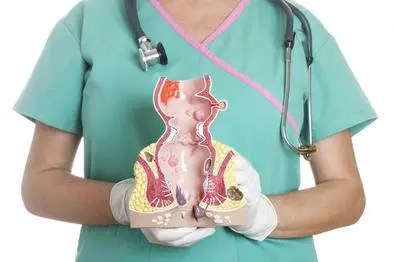
Laser proctology is the surgical treatment of diseases of the colon, rectum, and anus using a laser. Common conditions treated with laser proctology include hemorrhoids, fissures, fistula, pilonidal sinus, and polyps. The technique is increasingly being used to treat piles in both women and men.
Laser (Light Amplification by Stimulated Radiation) is a light beam of high energy. This light beam is used to burn or cut the abnormality, which was the reason for the surgery. Present, laser techniques are very advanced and much safer; they leave no scars, are bloodless and less painful. They also cause lesser complications.
Laser Surgery Vs Conventional Surgery
Laser surgery is an outpatient or day-care procedure, which offers many advantages over conventional surgery. For e.g., the laser technique not only treats hemorrhoids more effectively, but it also reduces post-operative pain. It also improves symptoms after surgeries, which were not meant to completely cure the patient. Similar results have been seen in patients external thrombosis, severe anal spasms, fissure, fistula, varicose veins, and sentinel tags. Specific advantages of laser surgery are:
Greater surgical precision
No need for general anesthesia
Faster surgeries
Discharge within a few hours
Back to routine in 3-5 days
No sutures and no scars
Less sutures with no scars
Fast recoveries
Less loss of during surgery
Minimal postoperative pain
Low risk of infection
Low risk of prolapse or rectal stenosis
Laser surgery patients look better.
Anal sphincter action is well preserved (no chances of incontinence).
Least rates of recurrence
Fewer visits to the doctor after surgery
Higher success rates
Anorectal Diseases That Require Laser Surgery
Hemorrhoids or Piles are enlarged veins located at the junction of the anus and rectum. The veins get enlarged due to excessive blood flow in arteries, which in turn causes the haemorrhoidal plexuses to dilate and get congested.
Anorectal Fissures
The lining of the anus can tear or crack when passing large or hard stools. The tear is called anal fissure and leads to pain and bleeding while passing stool.
Anal Fistula
Anal fistulas are small, infected connections that form between the skin near the anus and end of the bowel. An anal fistula is mostly the result of contagion in an anal gland, which spreads to the skin.
Pilonidal Cyst
Pilonidal cysts are formed at the end of the tailbone and just above the sacrum when hair penetrates the skin. The cysts also contain skin debris. The body responds to the hair as a foreign substance and creates a sac around the hair. If the cyst and the overlying skin become infected, it can lead to a painful abscess.
Symptoms of Anorectal Diseases
Many anorectal medical conditions go undiagnosed and remain untreated in adults because people feel shy or embarrassed to bring it to the notice of a doctor. This is especially true of women. The symptoms of anorectal conditions are noticeable, and should immediately be brought to the attention of a medical practitioner. Early diagnosis leads to lessening discomfort and faster treatment. Some of the symptoms are:
Rectal pain and bleeding
Pain, strain or bleeding while passing stool
Inability to sit for long periods
Spotting blood
Laser Surgeries for Piles
There are three types of laser surgeries for hemorrhoids:
Hemorrhoidal Laser Procedure (HeLp)
HeLP is a minimally-invasive laser procedure for piles, which does not require anesthesia. A Doppler is used to identify the affected branches of the rectal artery. Once they have been identified, a laser diode fiber photocoagulation the branches.
Laser Hemorrhoidoplasty (LHP)
LHP is similar to HeLP, but in this surgery, blood is stopped from flowing to the hemorrhoidal plexus by photocoagulating the affected branches of the rectal artery.
Laser Haemorrhoidectomy
Also called laser cauterization, this is a procedure in which the surgeon shrinks the swollen piles by burning them with the laser. Sometimes, the surgeon used a narrow laser beam and focus only on the hemorrhoids to avoid damage to nearby tissues. The narrow beam is passed through the anus and focussed on the mass of the piles. The controlled exposure of the submucosa zone to the energy of the laser causes a mass to shrink.
The fibrosis is reconstructed to create connecting tissue. This enables the mucosa to adhere to the underlying tissue. This prevents prolapsed. This is a safe surgery and cause minimal bleeding and heals faster.
FILAC Technique (Fistula–Tract Laser Closure)
This is a minimally-invasive technique to treat anorectal fistula, which preserves the sphincter. The affected tissue, called epithelialized is neutralized by focusing the laser in a controlled, circular movement.
Lateral Internal Sphincterotomy (LIS)
Doctors may prescribe LIS when chronic anal fissure does not respond to medication and conventional treatments. The laser is used to remove a small portion of the sphincter muscle. This helps alleviate pressure, reduce pain and allows the fissure to heal.
Before the Surgery: Your doctor or surgeon will explainthe entire procedure to you and the expected results. The medical team will give you specific instructions on what to do and what not to do before the surgery. They will also conduct some pre-operative examinations.
During Surgery: The surgery will be carried out by a team of anesthetists, the surgeon and support staff. The procedure will be carried out under local anesthesia. Depending on the condition, the operation lasts from a few minutes to one hour.
After Surgery: Laser proctology surgeries are usually conducted as out-patient procedures, but some patients may be monitored overnight. The time of recovery varies from patient to patient, but you can expect to resume normal activities in one or two days.
FAQ related to Thyroid Surgery | Best Laparoscopic Surgeon in HSR Layout | Dr. Manas Tripathy
In this Blog, Dr. Manas Tripathy, Best Laparoscopic Surgeon in HSR Layout answer some of the frequently asked questions about Thyroid Surgery.
Q. Which are the thyroid conditions considered for surgical treatment?
A. Some of the thyroid conditions like goiter, hyperthyroidism, thyroid cancer, or thyroid nodule are treated with surgery. Depending upon the severity of the condition and part of the thyroid affected, thyroid surgery – Thyroidectomy (removal of partial or complete thyroid) is considered.
Q. When is the Surgery considered for treating thyroid conditions?
A. Surgery is considered when the patient starts experiencing any of the following situations due to thyroid conditions –
Obstructed airway
Difficulty in swallowing food
Advance cancer stage
Un-successful medical treatment
Q. How long is the hospital stay after Thyroid surgery?
A. The patient stays in the recovery room following the surgery and is shifted to a normal room depending upon health status. The patient may be asked to stay in the hospital for a day or two and be discharged. Patient resumes the regular work from the next day of the surgery.
Q. When can the patient resume his normal life post-surgery?
A. Patients can resume their normal activities after returning home. Strenuous activities like physical workouts/lifting heavy items/impactful sports etc should be started only after consultation with the surgeon during the review visit.
Q. What are the complications of thyroid surgery?
A. The complications experienced are –
Hoarseness in voice is experienced temporarily for some days.
In case of complete thyroid removal, the patient is prescribed thyroid hormone replacement therapy for a lifetime.
In case parathyroid glands are also removed along with the thyroid then calcium supplements are prescribed to maintain the calcium levels in the body.
Q. How long will the surgical pain last?
A. Like any procedure, the patient will experience discomfort and pain for some hours after thyroid surgery. Analgesics will be prescribed for a few days to overcome the pain during the recovery period.
Q. What preparation should be done by patients for surgery?
A. Patients can do the following preparations for making the experience of the whole process of the surgical treatment a wonderful one.
Scheduling the surgery after discussing with the family members to ensure their availability and support in all means, during the recovery period.
Inform the close family friend and office team about the surgery & recovery period.
Follow the instructions given by the surgeon and nursing staff of the hospital and after discharge in relation to wound care, review visits, and post-surgery follow-up medication.
For further queries consult Dr. Manas Tripathy, Best Laparoscopic Surgeon in HSR Layout , Bangalore.
Gallstones are a common digestive disorder found in 15 percent of people ages 50 and about 10% of the population worldwide. The standard treatment is the removal of the gallbladder when severe symptoms exist. Whereas, you do not need any surgery if you do not have any symptoms.
There are misbeliefs around gallstones found on social media or the internet that are not correct and harmful for people blindly following the available information. In this article, we will look at some resolutions for misconceptions and frequently asked questions about gallstones to make the correct decision.
1. What are Gallstones?
Gallstones are gravel-like deposits made of bilirubin, cholesterol, or calcium salts found as a mixture found in your gallbladder. The size of the stones may vary from a rice grain to the size of a golf ball, with different numbers and sizes.
There are two types of gallstones:
Pigment Stones-These contain bilirubin salts and are found rarely. This type is present in patients with biliary tract infections, liver cirrhosis, or any blood disorder.
Cholesterol Stones-It is the most common type that occurs when the liver produces more cholesterol.
2. What are the difficulties caused by Gallstones?
The main symptoms that people experience are pain in the stomach under the rib cage and the back of your shoulder. There can be episodes of nausea and vomiting also. You may have a severe stomach ache that can last for many hours once you have a fatty meal. But, if you experience pain due to longstanding gallbladder inflammation, you are also prone to jaundice and fever.
3. What are my chances of getting Gallstones?
You are more likely to have gallstones if you,
Are you over forty years of age
Are a woman
Are pregnant
Are obese
Have diabetes
Eat a diet high in fats
Lose weight quickly
Have a family history of gallbladder stones?
Take cholesterol-lowering medications
Take medicines for hormone replacement or contraception.
4. Can drinking plenty of water flush out my Gallstones?
Gallstones are not similar to kidney stones. Kidney stones form within the kidneys and can flush out through urine with sufficient water intake. But, gallstones are formed inside the gallbladder under your liver. Accordingly, drinking plenty of water does not remove gallstones but can harm you, and you are required to visit the hospital if you experience extreme pain.
5. Are there any alternative medications to try first?
Presently, there are no alternate medicines that can help you relieve gallstones. You are prone to serious complications like jaundice, cholangitis, cholecystitis, gangrene, pancreatitis, gallbladder cancer, or any other gallbladder-related complications, that may increase by 1-3% by the next decade even after diagnosis. Hence, gallbladder removal surgery is the only practical option.
6. Do Gallstones require treatment?
Some gallstones do not need any treatment. But, if you have gallstones that are more than 3 cm in size and are asymptomatic, or incidentally diagnosed during a checkup, the doctor would suggest eliminating the gallbladder to avoid any further complications.
7. Are there any complications involved in removing the Gallstones while retaining the gallbladder?
Stones in the gallbladder indicate poor health. So, many undergo surgery for gallstone removal. But, there are chances of non-surgical treatments in case of any medical conditions. Few methods include,
The above treatments are for the extraction of cholesterol stones alone that may recur after several months even with subsiding symptoms compelling you to take regular gallstones treatment for a longer time.
8. How are Gallstones treated?
Gallbladder removal is carried out through cholecystectomy. It is the standard treatment for gallstone removal and is done in two ways.
Open Surgery
In the case of gallbladder inflammation, infection, or scarring from previous surgery then open surgery is the best solution. It is the best option when laparoscopic surgery is not possible. You are likely to stay in hospital for about a week and may resume your daily activities after a month.
Laparoscopic Surgery
This is the most sought after option for gallbladder removal because,
It requires three small incisions, so there is less scarring
Can be treated as an outpatient
Less postoperative discomfort and pain
Less medication
Requires hospitalization for 1-2 days
Speedy recovery
9. What are the harmful effects post gallbladder surgery?
The gallbladder is an indispensable organ. The primary function of the gallbladder is to store bile juices that aid digestion. In most cases, there are not many serious harmful after effects. But, some people might complain of stomach pain, diarrhea, heartburn, bloating, and gas that can be treated with medication after consulting a doctor.
10. Should I consider a second opinion before deciding on surgery?
The symptoms experienced by gallstones are not distinctive and are common to other medical conditions. Taking a second option from a reliable source in such cases is highly beneficial and makes a huge impact to make a knowledgeable choice.
The formation of gallstones is secondary to a sedentary lifestyle, obesity, constipation, and consumption of a high-fat diet. The population of India from the cow belt is highly prone to the incidence of gallstones. Multiple pregnancies also lead to gallstones.
Issues that arise from Gallstones
Gallstones may or may not have any symptoms. However, it can cause intense pain in the upper abdomen or right half of the abdomen, which arises after food intake at night or in the early morning. Pain scatters to the back from the right shoulder that is moderate to severe that ceases within half an hour to six hours. If the pain lasts for more than 24 hours, then there might be a chance of gallbladder infection, pancreatitis, bile duct liver infection/gangrene, or perforation.
Gallstone Treatment in Bangalore | Dr. Manas Tripathy
General Gallstones treatment and stone size that needs treatment
Gallstone Treatment in Bangalore | Dr. Manas Tripathy. The treatment for gallstones is not decided by the size and number of stones as in the case of kidney stones. The stones’ presence and symptoms decide on the treatment. If the patient experiences symptoms, every stone needs removal irrespective of the size. Furthermore, if a patient has no symptoms and gallstones go undetected during a general check-up, the patient can follow up even with the presence of multiple gallstones.
Stones removal ruling out gallbladder
In the case of kidney stones, the kidneys are healthy. But, in the case of gallstones, the gallbladder is infected. There have been previous attempts during the 20th century to remove/dissolve gallstones keeping the gallbladder untouched. The problem recurred within three to six months in such cases. It was clear that the gallbladder was the offender more than the gallstones. The typical treatment for gallstones is cholecystectomy or the complete removal of the gallbladder with stones.
Health / Digestive problems caused by gallbladder extraction
The gallbladder does not produce any digestive juices, instead, it stores bile between meals. Post the cholecystectomy, the canal system of the liver and the common bile duct enlarge in size to lodge and store bile. Hence, digestive problems do not occur, and there will be no need to change food habits after the gallstone removal surgery. Gallbladder surgery is said to be the most common surgery done worldwide, and there are ample scientific data to support this documentation.
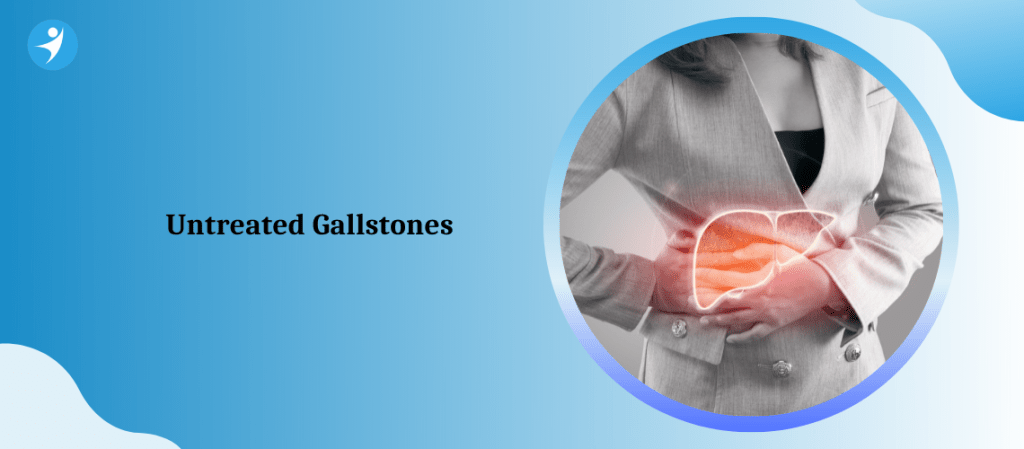
Untreated Gallstones | Gallstone Treatment in Bangalore | Dr. Manas Tripathy
Untreated gallstones and alternate treatment
There is no scientific data available to prove any cure for gallstones through allopathic or non-allopathic medicines. If a patient is asymptomatic, there is no need for surgery and may carry on with regular follow-ups. But if there are symptoms, there are chances of 4%-8% risk per year including problems like acute cholecystitis, jaundice, cholangitis, gangrene, and pancreatitis. Patients with gallstones are further at risk over the next ten years for some life-threatening complications.
People down casted by gallstone surgery
The presence of gallstones can cause extreme abdominal pain along with a few complications as stated above. Some signs like bloating, abdominal tightness, heartburn, indigestion, and increased frequency of stools are the most common in populations that are not related to gallstones. As the symptoms coincide with the symptoms of gallstones,people get dejected as these symptoms may not be comforted by a cholecystectomy.
Hemorrhoids, commonly known as Piles occur when the vein swells in the anus and around the anal opening. Most of the population today is suffering from piles issue due to long hours of sitting and unhealthy eating habits. The disease has been prevalent for years, but the figures have increased over a few years in both men, women, and even children.
The Main Causes of Piles In Men
Piles in men may be due to various reasons. Many men complain of piles if they lift heavyweights in the gym. The veins in and around the anal and pelvic area swell due to constant stress. Men who spend a lot of time on the toilet seat also complain of piles.
The Main Causes of Piles In Women
Numerous cases of piles in women are noticed during and after pregnancy or after childbirth. In a pregnant woman, the wide protruded belly carrying the child for weeks puts a lot of pressure on the lower back and pelvic area. During childbirth, there is a lot of pressure to push the baby out, and this pressure causes the blood vessels around the anal and pelvic area to result in an anal disease called Piles.
Piles and Its Types
There are two types of this disease.
1. External Piles
This type can be easily identified and found under the thin skin around the anus and anal opening. They also bulge out in the form of small and hard protruding clusters that are swollen, painful, and itchy, which can cause bleeding as well.
2. Internal Piles
These are usually around the lower part of the large intestines and are not very painful. The swelling may also bleed that is let out of the anus with stool. They may cause extreme pain while and after stool. The discomfort caused by piles must be corrected at the earliest. Prolonged sitting must be avoided in such situations and should keep yourself hydrated and physically active, and lots of fiber must be included in the diet
Symptoms of Piles in Males and Females
Piles are quite evident, but many people are not aware of the symptoms and miss to identify the trouble bothering them. If piles go undiscovered for a long time, it may lead to serious problems including cancer. There are a few symptoms that you can watch out for.
Irritation and pain in the anus and towards the anal opening.
Blood is found in stools with unbearable pain during bowel movements.
Itchy skin, and swelling due to swollen lymph around the anus.
Piles Treatment for Men and Women in Koramangala. Our proctologist says, treatment for piles is common for both women and men. Earlier, the treatment involved a painful open surgery, but now, pain-free laser surgery can be done for piles. Laser treatment is the most advanced and effective for piles correction. The patient can resume a normal diet and regular schedule a few hours post-surgery.
Must Read – Piles Treatment Post Pregnancy
Piles occurred during pregnancy may sometimes wane off on their own as the hormones get balanced with improved blood volume and reduced pressure. Many undergo advanced laser treatment for quick recovery from piles.
Dr.Manas Ranjan Tripathy – the Best Proctologist in Bangalore treats both men and women with minimally invasive means with no wounds and cuts. It is performed under general anesthesia that takes around 3-40 minutes. There are far fewer chances of bleeding than in the traditional process. The post-surgery complications were also minor. Hence, you may consult the best proctologist in Bangalore for advanced treatment for piles in both men and women.
While surgery is the most common treatment for a pilonidal sinus, it’s not the only option. There are a number of nonsurgical treatments available, and in some cases, surgery can be avoided altogether. If you’re not sure whether surgery is the right choice for you, you can consult the best pilonidal sinus doctor in Koramangala.
What Is a Pilonidal Sinus?
A pilonidal sinus refers to an infected tract under the skin between the buttocks. The affected area may resemble a small hole or pore in the skin with a dark patch or hair inside. A pilonidal abscess is a type of infection that occurs when the pilonidal cyst becomes infected.
Symptoms of Pilonidal Sinus
A pilonidal sinus is a tract that can become infected between the buttocks. The most common symptom is pain, but other symptoms may include swelling, redness, drainage of pus or blood, and fever.
Causes of Pilonidal Sinus
In many cases, the exact cause of a pilonidal sinus is not known. The possible risk factors include obesity, poor hygiene, sitting for long periods of time, and having curly hair. Some people may also be born with a predisposition to developing a pilonidal sinus.
Treatment Options for Pilonidal Sinus
In most cases, surgery will be recommended to treat a pilonidal sinus. However, there are some cases where surgery may not be necessary. For example, if the sinus is small and does not cause any symptoms, medication, monitoring, etc., may be considered. Surgery is considered after all other options have failed.
Hair Removal:
In the absence of severe infection, hair removal is recommended for pilonidal sinus management.
According to a few studies, regular removal of hair and practicing good hygiene in that area may reduce the incidence of severe pilonidal sinus.
Medication:
In the early stages, when there is no sign of inflammation, a broad-spectrum antibiotic may be recommended.
Antibiotics don’t heal the condition but address the pain and discomfort caused due to infection.
Lancing or Abscess Drainage:
If there is pus built, it has to be drained. The doctor will carefully open the abscess and drain all the pus away.
During this procedure, the doctor will remove hairs, infected blood, and pus inside.
The wound heals within four weeks, and in most cases, patients do not require any other treatments.
Surgery:
In the case of recurrent pilonidal sinus or multiple sinus tracts, a surgical procedure may be recommended. The sinus may be completely cut out or opened for cleaning.
Complete removal of the sinus leads to better clinical outcomes.
Nearby inflamed tissues may also be removed to prevent recurrences.
This procedure takes about 30 minutes, and the wound heals within 4 weeks.
Conclusion
A pilonidal sinus can be a painful and embarrassing condition, but you might not need surgery. There are a number of treatment options available, and the pilonidal sinus doctor in Koramangala will be able to recommend the best option for you.
Best Proctologist in HSR Layout | Dr. Manas Tripathy is one of the best proctologists in Bangalore who talks about the top 10 FAQs on Hernia in this article.\
1. What is Hernia?
A bulging of an organ or tissue through an abnormal opening, typically, a hernia involves the stomach or intestine.
2. Is Hernia is Dangerous?
Sometimes an untreated hernia can lead to probably serious complications. It can grow and cause more symptoms. It may also put too much pressure on nearby tissues, which can cause swelling and pain in the surrounding area. A portion of your intestine could also become trapped in the abdominal wall.
3. How is a hernia treated?
Usually, the hernia is not a disease that cures on its own. The only way to treat a hernia is surgery. When you start treatment your doctor suggests you for the treatment process and he may suggest you for a surgeon. If he thinks the surgery is necessary for your type of hernia then the surgeon will suggest you for a better surgery.
It also depends on its types.
For example: Most usually affected type of hernia is an umbilical hernia. When it affects to a child and if the symptoms are more and the hernia is larger in size, it is necessary to have surgery and sometimes surgery is avoided for a smaller child. At the same time if an adult has the same problem and surgery is recommended because the condition will not I love the risk factors are high.
There are three types of hernia surgery.
Open surgery: It’s a simple method where the hernia is located in the body and cutting the tissue and to moving the part. Later stitching the muscle together.
Laparoscopic surgery: This type of surgery is also similar to open surgery but here instead of cutting to the outside of the abdomen or groin, The procedure is done by inserting a surgical tool by making a tiny incision.
Robotic hernia repair: With robotic surgery, the surgeon is seated at a console in the operating room, and handles the surgical instruments from the console. While robotic surgery can be used for some smaller hernias or weak areas, it can now also be used to reconstruct the abdominal wall.
4. How do I know which surgery is right for me?
There are different types of surgery and each has its own benefits. It gas to be decided by the surgeon based on the patient’s previous medical history and type of hernia.
5. What happens if hernia not treated?
There are chances that if you leave without treating, it will get bigger and painful, sometimes neglecting a hernia can lead to strangulation, which can demand an emergency surgery immediately or the consequences could be worst.
6. Are hernias hereditary?
No, Hernia is not a disease that transmits from your parents; it’s a type of disease you may develop at birth.
7. What if I Have Other Medical Problems?
Well, the performance of surgery involves local anesthesia, hence the risk factor with general anesthesia are avoided. Patients with a hernia who have other medical problems including heart problems, diabetes, high or low blood pressure can tolerate this surgery very well.
8. How Long Does It Take to Recover?
Since treatment of hernia doesn’t involve any cutting of muscles or sewn together. It has minimal pain and rapid recovery. Patients can easily returns to their normal daily activities, without any trouble. Within 4 to 5 days a patient can come to normal activities with safe and comfortable.
9. Is there any way I can prevent myself from getting a hernia?
Unfortunately No, You can’t prevent hernias on your own. It can affect anyone around one in ten gets affected by a hernia and sadly it’s a big number.

 Dr Manas Ranjan Tripathy